WHAM-Wisconsin HTS Axisymmetric Mirror
Project Information courtesy of Wisconsin Plasma Physics Laboratory
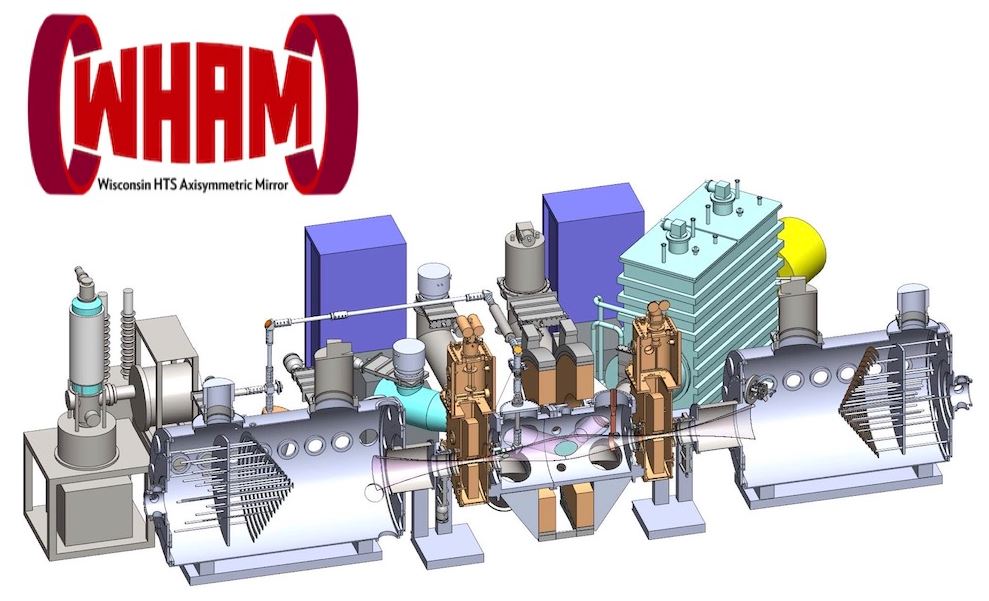
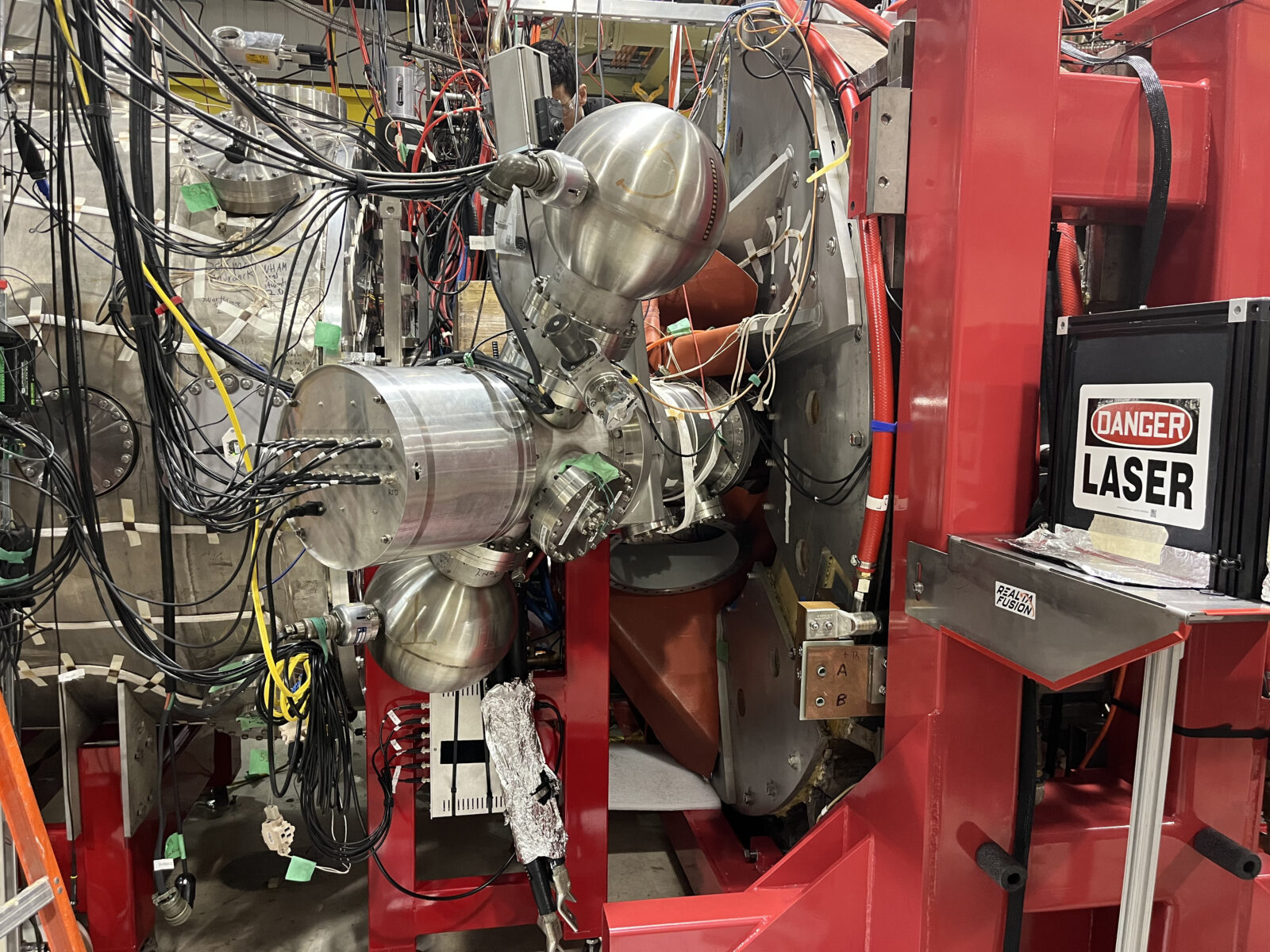
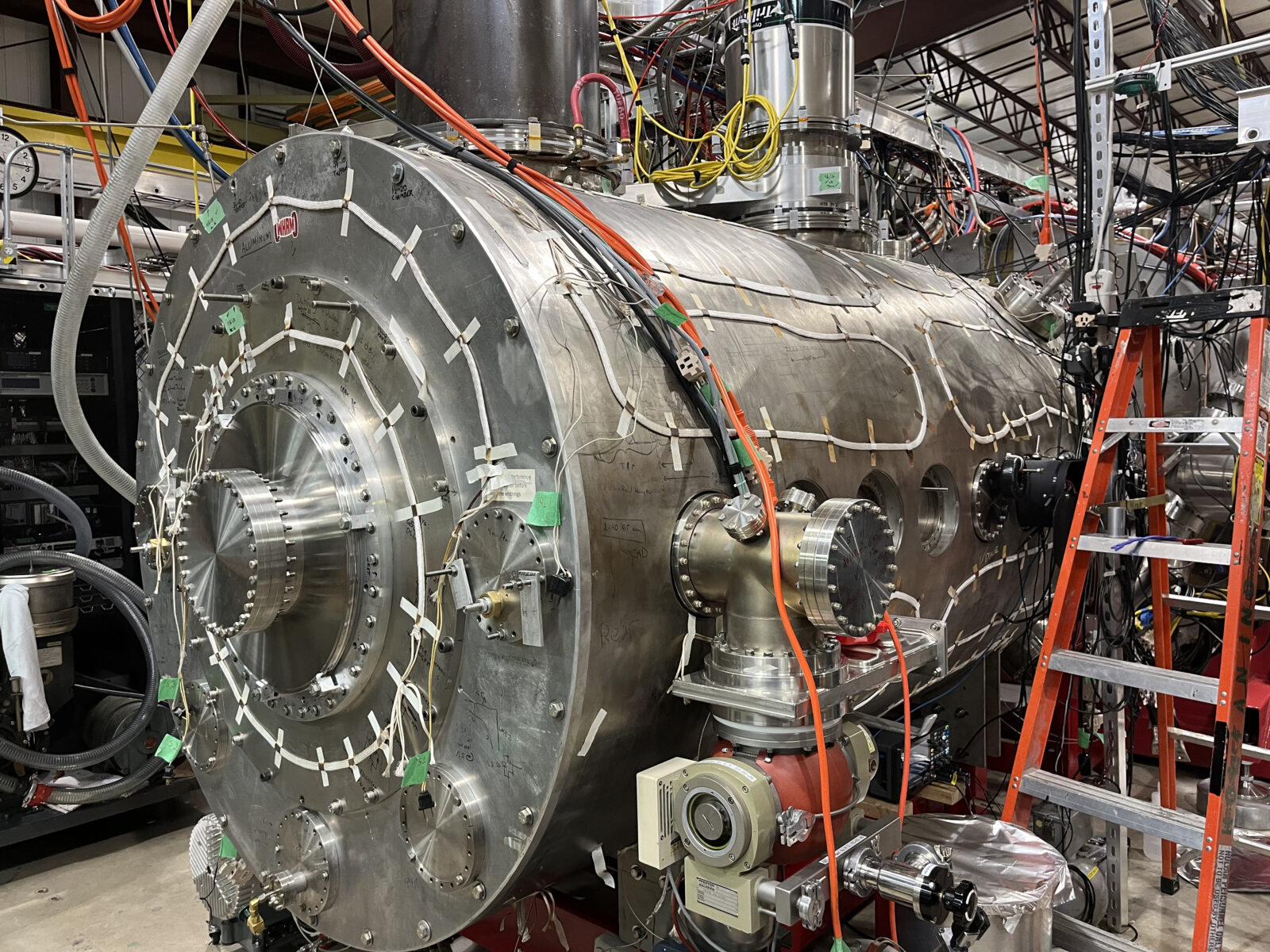
The Wisconsin HTS Axisymmetric Mirror (WHAM) is a groundbreaking fusion research project designed to explore a new generation of compact, high-performance magnetic confinement systems. Developed through a public-private partnership among the University of Wisconsin–Madison, MIT, ARPA-E, and Commonwealth Fusion Systems, WHAM combines recent advances in plasma physics, superconducting magnet technology, and high-power plasma heating systems to accelerate progress toward practical fusion energy.
WHAM serves as a platform for demonstrating how compact, high-field magnetic mirror systems can achieve the stability and plasma confinement needed for future fusion power applications.
Innovative Fusion Technology
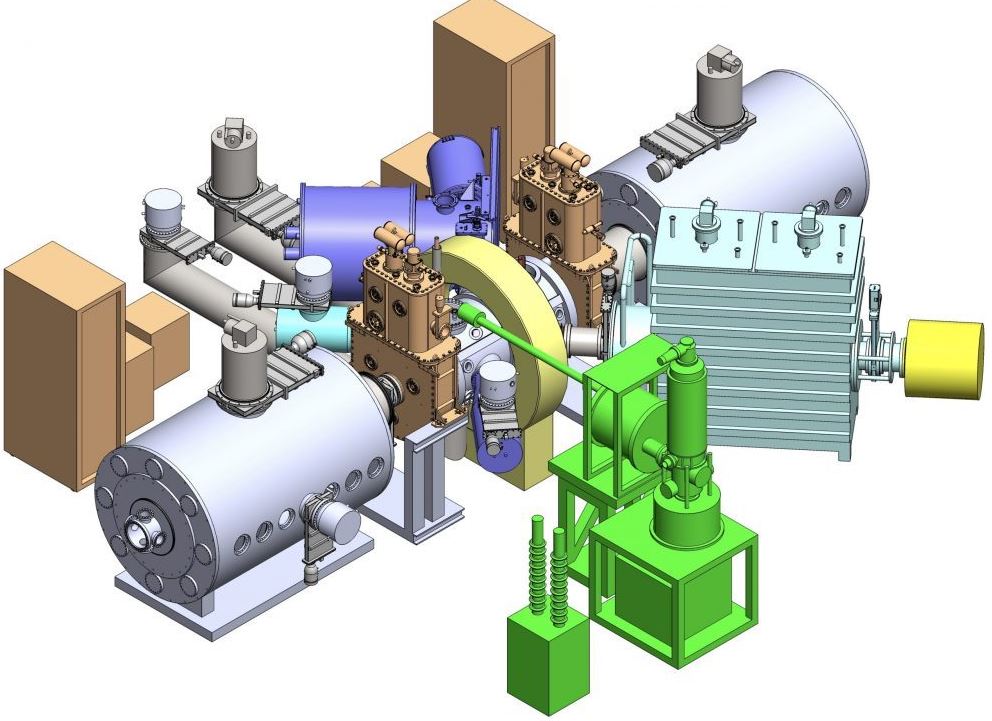
At the heart of the WHAM experiment are two powerful magnetic mirror coils constructed from REBCO high-temperature superconducting (HTS) materials. Designed and manufactured by Commonwealth Fusion Systems, these magnets generate magnetic fields of up to 17 Tesla, enabling plasma confinement strengths previously unattainable in compact mirror devices.
The experiment leverages several key technological innovations, including:
- High-temperature superconducting magnet technology
- Advanced electron cyclotron heating (ECH) systems powered by modern gyrotrons
- Novel radio-frequency (RF) plasma heating techniques
- Neutral beam injection for plasma fueling and ion generation
- High Harmonic Fast Wave (HHFW) heating for efficient ion acceleration
Together, these systems create and sustain high-temperature, high-density plasmas under conditions relevant to future fusion reactors.
Research Goals
WHAM is designed to investigate the performance of axisymmetric mirror confinement systems under reactor-relevant conditions. Researchers aim to generate long-duration, quasi-stationary plasmas with temperatures and densities that approach the limits required for fusion energy production.
Key objectives include:
- Demonstrating improved plasma stability and confinement
- Validating advanced heating and fueling techniques
- Exploring compact end-plug concepts for tandem mirror systems
- Collecting experimental data to support future fusion reactor designs
- Evaluating the feasibility of cost-effective fusion power systems
The knowledge gained through WHAM will help inform the design of next-generation fusion devices and contribute to a broader understanding of plasma behavior in high-field magnetic confinement systems.
Toward BEAT: Break-Even Axisymmetric Tandem Reactors
One of WHAM’s primary long-term goals is the development of a conceptual design for a Break-Even Axisymmetric Tandem (BEAT) reactor. This design seeks to demonstrate a practical pathway toward achieving fusion conditions where the energy produced by fusion reactions equals or exceeds the energy required to sustain the plasma.
By combining compact geometry, high magnetic fields, and modern plasma heating technologies, the BEAT concept aims to provide a potentially lower-cost alternative to traditional fusion reactor designs.
Beyond Fusion Power
In addition to advancing fusion energy research, WHAM has the potential to enable a range of valuable applications through the development of compact fusion neutron sources. These systems could support:
- Materials testing for advanced energy systems
- Nuclear science research
- Medical isotope production
- Industrial inspection and imaging
- Academic and national laboratory research programs
These opportunities provide near-term pathways for technological impact while helping drive continued investment and innovation in fusion science.
PSL’s Contribution
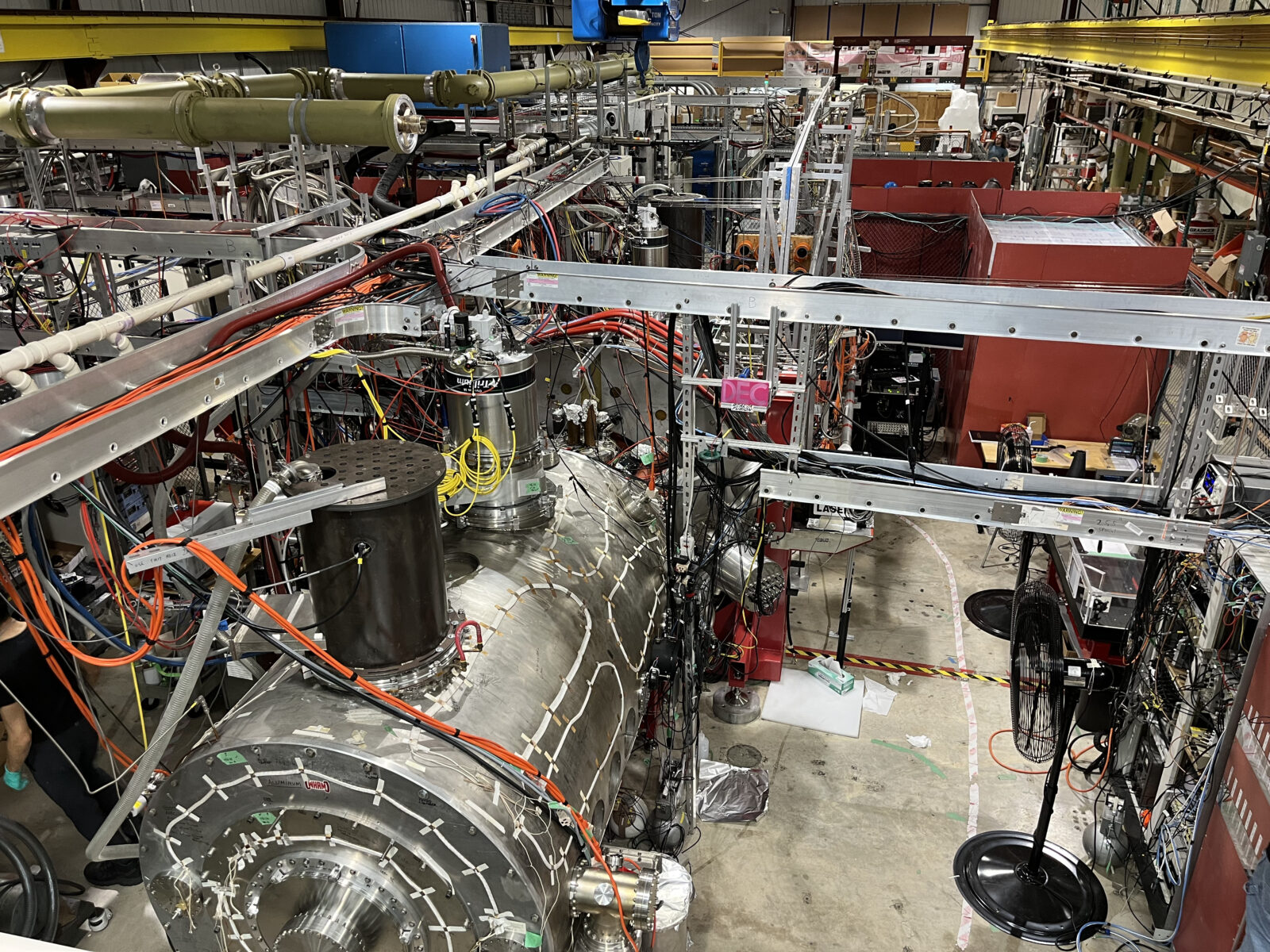
PSL supports WHAM through engineering, fabrication, vacuum testing, and assembly. The team fabricates custom vacuum flanges, components, and magnet supports from designs developed for the project, while also providing vacuum shop and cleaning support.
PSL has been involved with WHAM from its early construction through ongoing upgrades, continuing to design and fabricate new hardware as the facility evolves. The team also supports safety systems and integration, helping ensure the facility is ready for future fusion research and testing of new technologies.
Additional Information
Read the article below and visit the WHAM and Realta websites to learn more!